Faith as Pretext – Trump’s Threat to Nigeria and the Return of Moral Militarism in the Sahel
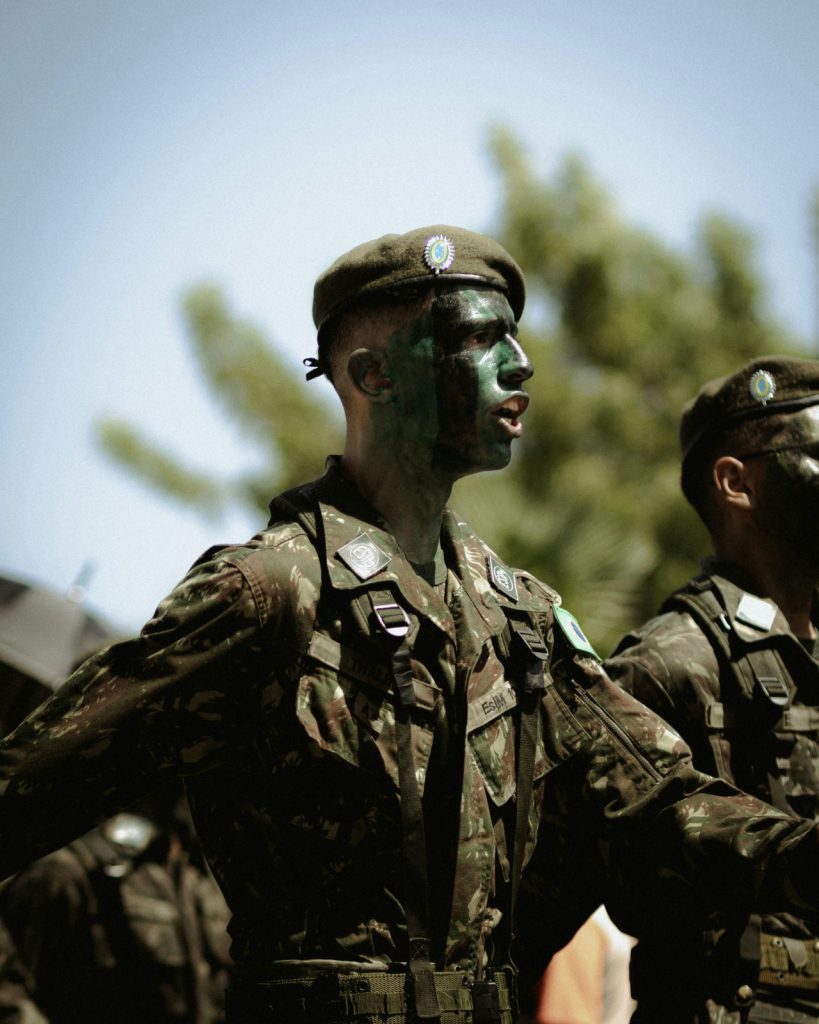
“Guns-a-blazing. Fast.” “Vicious and sweet.” “Now disgraced country.” “Islamic terrorists.” “Cherished Christians.”
These were among the most striking phrases in the announcement delivered by the President of the United States on 1 November 2025. Not many were surprised by the tone – it is, after all, Donald Trump. Yet beyond the theatrics lie deeper strategic concerns. On the surface, the statement appeared to threaten aid cuts and signal potential military involvement in Nigeria under the banner of protecting persecuted Christians. But with Trump – and indeed with American foreign policy – very little is ever merely surface-level. The key question animating observers across Africa and beyond is this: What does the U.S stand to gain?
Nigeria’s current security challenges are undeniable, but the implications of unilateral American intervention for Nigeria’s sovereignty, economy, and political stability are far more complex. Trump’s rhetoric, shaped by a peculiar blend of moral absolutism and transactional politics, raises serious questions. It is worth examining more closely.
The “Christian Genocide” narrative: An oversimplification with consequences
Having ideological leanings is one thing; framing a complex national crisis through a singular lens is another. The insecurity afflicting Nigeria is multifaceted, rooted in governance deficits, banditry, ethno-religious tensions, resource conflicts, and historical grievances. While there are legitimate concerns regarding attacks on Christian communities, particularly in Plateau, Benue, Kaduna, and parts of Kogi State, it is equally true that Muslim communities in northern Nigeria have suffered devastating losses at the hands of insurgents and criminal groups.
What is deeply troubling is the inconsistent response from successive Nigerian governments. Policies such as amnesty and reintegration programs for ex-combatants, funded by taxpayers, remain contentious. The perception that perpetrators are gaining mileage while accountability remains minimal contributes to public frustration.
This complexity is precisely why Trump’s narrow “Christian genocide” framing is both reckless and strategically manipulative. It reduces a multidimensional crisis to a binary moral narrative. It elevates suspicion among religious communities already strained by distrust. And it creates fertile ground for escalatory rhetoric during a period of national fragility.
The Ideological and Strategic Roots of Trump’s Posturing
To understand Trump’s overtly pro-Christian framing of Nigeria’s insecurity, one must situate it within his broader ideological orientation. American politics is fundamentally ideological: Democrats tend toward liberal, humanistic interpretations of social issues, while Republicans often align with conservative Christian values. Even among moderates, policy positions usually remain anchored, albeit gently, in the core principles of their political camps.
Trump, a staunch Republican, has positioned himself as a champion of conservative Christian causes since his very first tenure as president. His stances on issues such as transgender rights, reproductive health, and religious liberty make this clear. Whether his evangelical fervor is rooted in personal conviction or political performance is ultimately a matter for private conscience. What is undeniable is that aligning himself with Christian communities abroad resonates strongly with his domestic political base.
But why focus so intensely on Nigeria? The reasons are strategic as much as ideological.
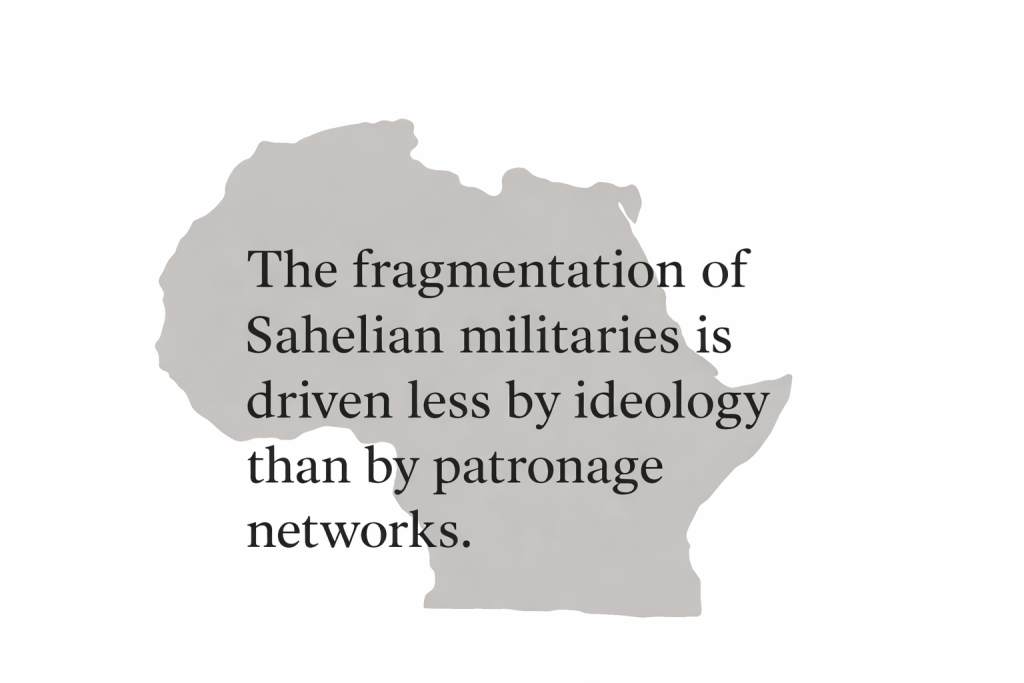
Nigeria is a pivotal state. With a population of roughly 240 million, Africa’s fourth-largest economy (approximately $250 billion in nominal GDP) and West Africa’s largest, nearly 40% of West Africa’s GDP output, one of the region’s strongest militaries, and significant diplomatic weight within the African Union. To put it in more colloquial terms, Nigeria is good for optics, high leverage, and geopolitically valuable. But there may be a more consequential dimension at play. As China and Russia deepen their economic, military, and political engagements across Africa, the United States is under pressure to reassert influence. Casting Nigeria’s crisis in moral terms offers Trump a politically convenient reason to intervene while effectively countering rival powers.
The Sovereignty Question
The United Nations Charter, under Article 2(4), prohibits the threat or use of force against the territorial integrity or political independence of any state. The only exceptions involve self-defence or a UN Security Council authorization under Chapter VII. This means any military intervention in Nigeria, however framed, would require either Nigeria’s consent or formal UNSC approval.
In practical terms, Trump lacks the unilateral authority to order an invasion or military deployment into Nigeria under the guise of protecting “cherished Christians.”
This is precisely why Trump’s rhetoric is problematic. It projects a paternalistic, morally superior posture – a framing that appears to override international norms, sovereignty, and mutual respect. Such language is harmful not only for Nigeria but also for global diplomatic culture. When powerful states normalize moral militarism, the precedent becomes dangerous for regions like West Africa and the Sahel.
Lessons for West Africa and the Sahel
Several lessons emerge for Nigeria, West Africa, and the broader Sahel region.
First, we must own our narratives. Silence creates interpretive vacuums. When local actors fail to articulate their realities, external powers fill the space with distortions that serve external interests.
Second, perception matters in international relations. Unity must be practiced, but it must also be seen. ECOWAS and the African Union should articulate a consistent and firm stance against unilateral external intervention, while fostering deeper regional cooperation on security, intelligence, and crisis response.
Third, West African diplomacy must transition from clientelism to strategic pluralism. The region must engage major powers based on mutual benefit, not dependency. Partnerships must be diversified, calibrated, and balanced. No single actor – whether the United States, China, Russia, or others – should hold disproportionate leverage over West African states.
